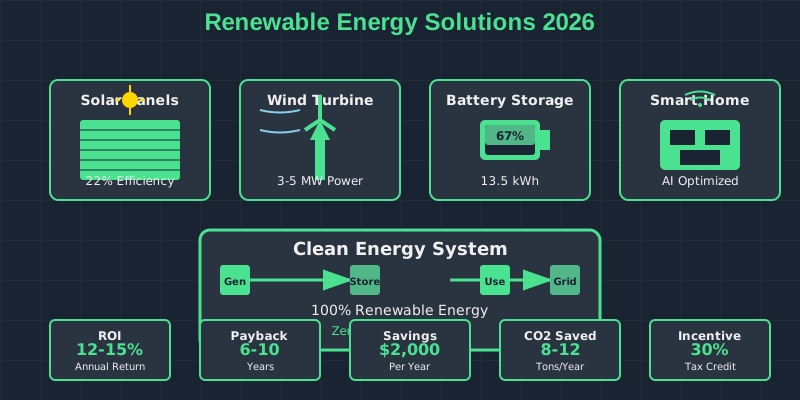
Renewable Energy Guide 2026: Solar, Wind & Clean Energy Solutions
Renewable energy is no longer the future - it's the present. With global emissions at 42.2 billion tons annually, switching to clean energy is the most impactful climate action you can take. This comprehensive guide covers everything you need to know about renewable energy in 2026.
Why Renewable Energy Matters Now
Energy production accounts for 73% of global emissions. With 1,338 tons of CO2 entering the atmosphere every second, renewable energy isn't just an option - it's essential for climate survival. Watch our live counter to see the urgency in real-time.
The Renewable Energy Revolution in 2026
2026 marks a turning point for clean energy. Costs have plummeted, efficiency has soared, and government support has reached unprecedented levels.
- Solar Costs: Down 90% since 2010
- Wind Capacity: 1,400 GW installed globally
- Battery Storage: 500+ GWh deployed
- Green Hydrogen: $1.50/kg cost target reached
The Carbon Impact
Switching to 100% renewable energy can reduce your carbon footprint by 8-12 tons CO2 annually. With the carbon budget down to 170 billion tons, these savings are critical for climate stability.
Solar Energy: Complete Home Guide
Solar panels are the most accessible renewable energy option for homeowners. Here's everything you need to know:
- Monocrystalline: 22-24% efficiency, premium option
- POLYCRYSTALLINE: 17-19% efficiency, budget-friendly
- Thin-Film: 10-12% efficiency, flexible applications
- Bifacial: 25%+ efficiency, captures reflected light
- Average System: $2.50-$3.50 per watt
- Typical Home: $15,000-$25,000 before incentives
- Federal Tax Credit: 30% through 2032
- Payback Period: 6-10 years
- 25-Year Savings: $40,000-$80,000
Solar Carbon Reduction
A typical 6kW solar system prevents 8 tons of CO2 annually - equivalent to planting 160 trees or not driving 18,000 miles.
Wind Energy: From Turbines to Home Systems
Wind energy has evolved from massive utility farms to residential options suitable for many homes.
- Utility Wind: 200-600 ft turbines, 2-15 MW capacity
- Community Wind: Shared turbines for neighborhoods
- Residential Wind: 30-100 ft towers, 5-50 kW
- Small Wind: Under 100 kW for homes and farms
- Property Size: Minimum 1 acre recommended
- Wind Speed: 10+ mph average needed
- Installation Cost: $15,000-$70,000
- ROI Period: 10-15 years
- Carbon Reduction: 5-12 tons CO2 annually
Wind Power Growth
Wind capacity grew 17% in 2025, making it the fastest-growing energy source. By 2030, wind could supply 30% of global electricity.
Battery Storage: The Game Changer
Battery storage transforms renewable energy from intermittent to reliable, making 100% clean energy possible.
- Lithium-ion: $150-$250/kWh, 10-15 year lifespan
- Iron-Air: $20/kWh, grid-scale solution
- Solid-State: 2x energy density, coming 2027
- Flow Batteries: 20+ year lifespan, scalable
- Tesla Powerwall: 13.5 kWh, $11,500
- LG Chem: 9.8-16 kWh, $8,000-$14,000
- Enphase: 3.6-10.5 kWh, modular design
- SolarEdge: 10 kWh, integrated system
Storage Carbon Impact
Adding battery storage increases renewable energy usage by 30-50%, preventing an additional 2-4 tons of CO2 annually.
Green Hydrogen: The Future Fuel
2026 marks the breakthrough year for green hydrogen, making it viable for transportation, heating, and industry.
- Electrolysis: Splitting water with renewable electricity
- Cost Target: $1.50/kg achieved in favorable locations
- Efficiency: 70-80% conversion rate
- Scale: 100+ GW projects under development
- Heating: Hydrogen boilers and furnaces
- Cooking: Hydrogen-ready stoves
- Backup Power: Hydrogen fuel cells
- Transportation: Hydrogen vehicles
Hydrogen Carbon Reduction
Green hydrogen can decarbonize 25% of global emissions - steel, shipping, long-haul transport, and industrial heating.
Geothermal Energy: The Hidden Giant
Geothermal energy provides consistent, baseload power unlike any other renewable source.
- Utility Geothermal: 100+ MW power plants
- Community Geothermal: District heating systems
- Residential Geothermal: Ground source heat pumps
- Enhanced Geothermal: New technology for wider deployment
- Ground Source Heat Pumps: 300-500% efficiency
- Installation Cost: $20,000-$35,000
- Heating/Cooling Savings: 40-70% annually
- Carbon Reduction: 4-8 tons CO2 annually
- Lifespan: 25+ years
Smart Home Energy Management
Smart technology maximizes renewable energy efficiency and minimizes waste.
- Smart Thermostats: 10-15% energy savings
- Energy Monitoring: Real-time usage tracking
- Automated Controls: AI-optimized energy use
- Grid Integration: Sell excess power back
- VPP Integration: Virtual power plant participation
- Time-of-Use Optimization: Automatic load shifting
- Predictive Analytics: Weather-based energy planning
- EV Integration: Smart charging management
The Smart Grid Revolution
Smart homes can reduce energy waste by 20-30% while maintaining comfort. With 42.2 billion tons emitted annually, every efficiency gain matters.
Financial Incentives and ROI
2026 offers unprecedented financial support for renewable energy adoption.
- Solar Tax Credit: 30% through 2032
- Battery Storage Credit: 30% through 2032
- Geothermal Credit: 26% through 2033
- Wind Credit: 30% through 2032
- Rebates: $500-$5,000 per system
- Performance Payments: $0.03-$0.10/kWh
- Property Tax Exemptions: 5-20 years
- Low-Interest Loans: 0-3% financing
Investment Returns
Renewable energy investments typically return 10-15% annually while preventing 5-15 tons of CO2 per year.
How to Get Started with Renewable Energy
Follow this step-by-step approach to transition to clean energy:
- Assess Usage: Review 12 months of utility bills
- Identify Waste: Find inefficiencies and bad habits
- Set Goals: Target 50-100% renewable energy
- Budget Planning: Determine investment capacity
- Site Assessment: Solar exposure, wind, geothermal potential
- Load Calculation: Size system for your needs
- Technology Selection: Choose optimal renewable mix
- Permit Research: Local regulations and requirements
- Contractor Selection: Get 3+ quotes, check references
- Permitting: Submit applications and wait approval
- Installation: Professional installation (1-3 days)
- Grid Connection: Utility approval and interconnection
Step 4: Optimization and Monitoring
Track your production, consumption, and savings. Most systems achieve optimal performance within 3-6 months of fine-tuning.
Your Renewable Energy Future Starts Today
Renewable energy is no longer a dream - it's a practical, affordable reality that can eliminate your carbon footprint while saving money. With the climate crisis accelerating and 170 billion tons remaining in the carbon budget, every renewable energy installation matters.
The Time is Now
At current emissions rates of 1,338 tons per second, we need millions of homes and businesses to switch to renewable energy this decade. Your decision matters.
- Research: Explore options for your location and budget
- Consult: Get professional assessments and quotes
- Invest: Start with your highest-impact renewable
- Optimize: Add smart controls and storage
- Inspire: Share your success with others